Hidden Kitchen Remodel Costs in Tacoma are the expenses that never show up on your original contractor quote, things like permit fees, electrical upgrades, flooring transitions, structural repairs behind old walls, and temporary living costs while your kitchen is out of commission. Most homeowners budget for cabinets, countertops, and appliances, then get blindsided when the “extras” add another 15 to 25 percent to the final bill. Here in Tacoma and across Pierce County, older homes make this even more common, since many kitchens were built decades before current Washington State building codes existed.
Below is a full breakdown of where these costs come from, why they happen, and how to actually plan for them before you sign a contract.
What Counts as a Hidden Cost in a Kitchen Remodel
A hidden cost isn’t something a contractor is trying to sneak past you. It’s usually an expense that only becomes visible once demolition starts, or one that homeowners simply don’t think to ask about during the planning phase. Think of it this way: your quote covers what everyone can see on paper. What it can’t cover is what’s inside your walls, under your floor, or behind your cabinets until someone actually opens them up.
Permits, Inspections, and Local Code Requirements
Every kitchen remodel in Tacoma that touches plumbing, electrical, or structural elements needs a permit through the City of Tacoma or Pierce County, depending on where you live. Permit fees alone can run several hundred to over a thousand dollars, and that’s before inspection fees at each project stage.
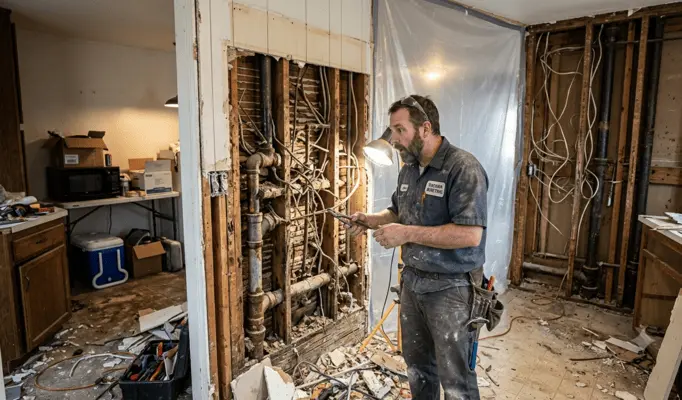
Older Tacoma homes, especially those built before the 1980s, often have wiring or plumbing that no longer meets current code. Once an inspector or electrician sees it, state law typically requires it to be brought up to standard before work continues. That single discovery can add a few thousand dollars to a project that looked simple on paper.
How to plan for it: ask your contractor upfront whether your home’s age makes a code upgrade likely, and get a rough number for what that would cost if it happens.
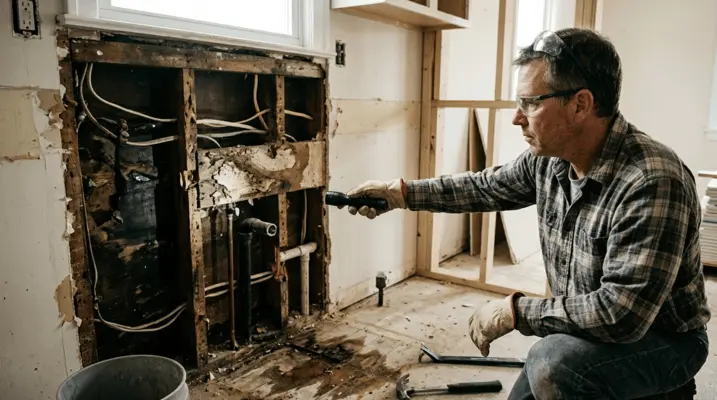
Structural Surprises Behind Your Walls and Floors
You cannot see what’s inside your walls until they’re opened. Weak floor joists, water-damaged subfloors, undersized support beams, or a wall you thought was decorative but turns out to be load-bearing are all common finds once demolition begins in older Pierce County homes.
These structural issues aren’t optional fixes. They affect the safety of your home, so they get addressed regardless of whether they were in the original budget.
How to plan for it: a pre-demolition inspection can catch some of this early, though not everything can be found until the walls actually come down. Set aside a contingency fund for this category specifically.
Asbestos and Lead Paint in Older Homes
If your home was built before 1980, there’s a real chance of finding asbestos in old flooring, insulation, or ceiling texture, or lead paint on original trim and cabinetry. Left undisturbed, these materials aren’t dangerous. Once you start sanding, cutting, or demolishing, they become a health hazard that requires certified, licensed removal.
This is one of the most overlooked hidden costs of kitchen remodeling in Tacoma neighborhoods with a lot of pre 1980s housing stock, like parts of the North End, Central Tacoma, and Stadium District. Professional abatement can add anywhere from a few hundred to several thousand dollars depending on scope.
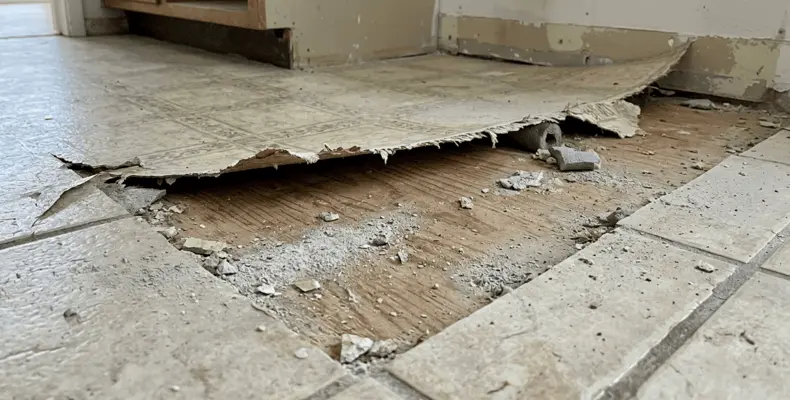
Flooring Gaps You Didn’t Know Existed
Moving a kitchen island, removing a wall, or shifting where your cabinets sit can expose sections of subfloor that were never finished, or reveal that your existing flooring can no longer be matched because it’s been discontinued. At that point you’re often looking at refloring the entire kitchen rather than patching a small section, which changes your budget considerably.
Appliance Upgrades That Trigger Electrical or Ventilation Work
New appliances rarely just plug in and go. A larger refrigerator, a gas range, or a powerful range hood often needs dedicated electrical circuits, upgraded gas lines, or improved ventilation that your existing kitchen wasn’t built to support.
One example that catches people off guard: a high output gas range hood pulling more than 400 CFM often requires a makeup air system to balance the air being exhausted from your home. That single system can add $3,000 to $7,000 to a project, and it’s rarely mentioned until the appliances are already chosen.
Mid Project Design Changes
It’s natural to change your mind once you see cabinets going in or countertop samples in person. The problem is that every change after work begins, known in the industry as a change order, involves new labor, new materials, and sometimes undoing work that was already finished. These add up fast and are one of the leading causes of kitchens going over budget.Before we get into hidden costs, check our full kitchen remodel cost guide for Tacoma.
How to plan for it: finalize every material, finish, and layout decision before demolition starts. Walk through the full 3D design with your contractor and confirm everything, down to hardware and faucet placement, ahead of time.
Material Price Fluctuations and Lead Times
Cabinet, countertop, and appliance pricing can shift between the day you get a quote and the day materials are actually ordered, particularly for imported components affected by tariffs or supply chain delays. Locking in pricing early, or choosing materials that are in stock locally, helps avoid paying more mid project.
Sales Tax on Materials and Appliances
This one sounds obvious, but it’s consistently forgotten. Washington State sales tax applies to nearly every material and appliance purchase in your remodel, and it’s rarely reflected in the sticker price you see when browsing cabinets or countertops. On a $30,000 to $50,000 kitchen remodel, that tax adds up to a real number that deserves its own line in your budget.
Disposal, Dumpster, and Debris Removal Fees
Demolition creates a surprising amount of waste, old cabinets, countertops, flooring, and drywall all need to go somewhere. Dumpster rental and debris hauling are often billed separately from the main contract, and larger kitchens or full gut remodels can require multiple dumpster loads.
Living Without a Kitchen
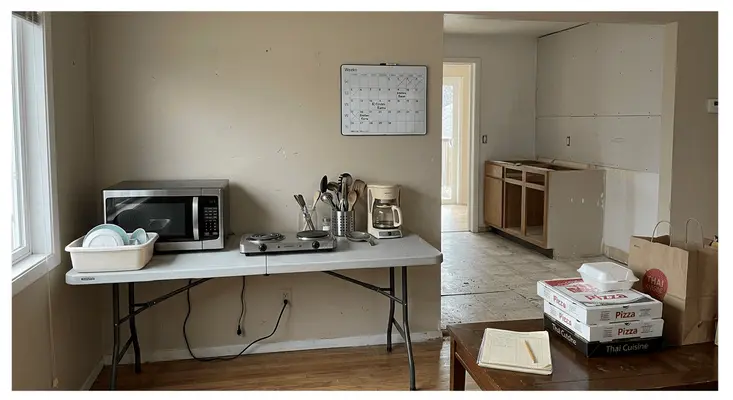
Your kitchen will likely be unusable for several weeks during a full kitchen remodel services in Tacoma, sometimes longer for larger projects. That means more takeout, more restaurant meals, or setting up a temporary cooking space in another part of the house. Over a six to ten week project, these day to day costs quietly add up to hundreds or even a couple thousand dollars that never appear in a construction estimate.
New Decor and Kitchenware to Match Your New Space
Once your kitchen is finished, your old curtains, dish towels, and even pots and pans can suddenly look out of place against new custom kitchen cabinets and countertops. Many homeowners end up spending a few hundred dollars refreshing these small items to match the new look, a cost that’s easy to overlook when you’re focused on the big ticket items.
HOA Approval Costs
If your Tacoma or Pierce County home is part of a homeowners association, you may need design approval before construction starts, and some associations charge a review or application fee. It’s a small cost, but one that can delay your project if it’s not accounted for in your timeline.
How to Build a Realistic Kitchen Remodel Budget
The simplest way to avoid being caught off guard is to set aside a contingency fund of 15 to 20 percent above your initial estimate. This covers the categories above without forcing you to make rushed decisions mid project. Beyond that, working with a contractor who does a thorough walkthrough and asks about your home’s age, past renovations, and known issues before finalizing pricing will surface many of these costs before they become surprises.
Frequently Asked Questions
What is the most common hidden cost in a kitchen remodel?
Structural and electrical surprises found behind walls once demolition begins are the most common, especially in homes built before current building codes existed.get a free kitchen remodel estimate
How much should I budget for unexpected costs in a kitchen remodel?
Most experienced contractors recommend setting aside 15 to 20 percent of your total budget as a contingency for hidden or unexpected costs.
Do older Tacoma homes have more hidden remodeling costs?
Yes. Homes built before the 1980s are more likely to have outdated wiring, plumbing that no longer meets code, and materials like asbestos or lead paint that require professional handling.
Are permits always required for a kitchen remodel in Tacoma?
Permits are typically required whenever a remodel involves plumbing, electrical, or structural changes. A licensed Tacoma kitchen remodeling contractor can confirm exactly what your project needs through the City of Tacoma or Pierce County.
Can a detailed quote prevent hidden costs entirely?
A detailed quote reduces surprises but can’t eliminate them completely, since some issues, like what’s behind a wall, are only discoverable once demolition begins. A thorough pre project inspection and a contingency fund are the best protection.