
Butcher Block Countertops: Pros, Cons & Maintenance Guide
Few countertop materials inspire as much affection as butcher block. Warm, natural, forgiving underfoot for dropped dishes — wood counters bring a lived-in comfort that stone can’t replicate. They’re a natural fit for Tacoma’s craftsman bungalows, farmhouse-style kitchens, and anyone who wants their kitchen to feel like a home rather than a showroom. But butcher block is also the most maintenance-hungry mainstream countertop material. Here’s the complete, honest picture before you commit.
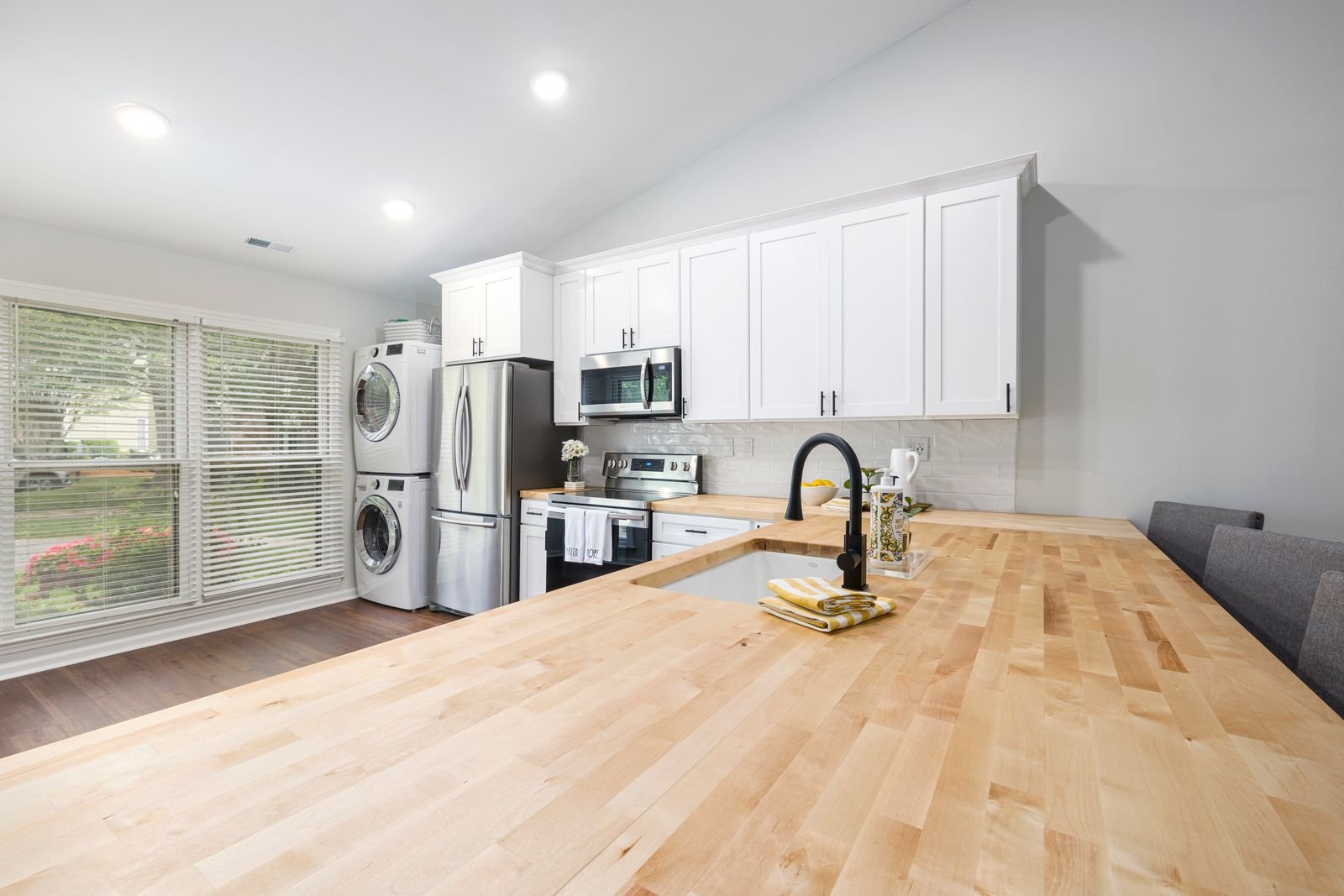
What Butcher Block Actually Is
Butcher block countertops are made from strips of hardwood glued together under pressure. The three main constructions:
- Edge grain: long strips glued edge-to-edge, showing clean lines. The most common and affordable style.
- Face grain (plank style): wide planks showing the wood’s face — beautiful but more prone to warping.
- End grain: the checkerboard “true butcher block” with the wood’s ends facing up. Extremely durable and kind to knives, but the most expensive and the thirstiest for oil.
Most kitchen countertops sold as “butcher block” are edge grain — a good balance of looks, stability, and price.
The Pros: Why Homeowners Love It
- Warmth and character. Wood instantly softens a kitchen. In Tacoma’s gray winters, a warm maple or walnut counter makes the whole room feel cozier.
- Affordability. Butcher block is among the least expensive countertop materials, roughly half the cost of mid-range quartz.
- DIY-friendly repairs. Scratches, dents, and stains can be sanded out at home. Try that with cracked quartz.
- Renewable surface. A butcher block counter can be sanded and refinished multiple times over decades, essentially resetting its appearance.
- Kind to dishes and knives. Drop a plate on wood and it often survives; chop directly on it and your knives stay sharper longer.
The Cons: The Maintenance Reality
Here’s what the showroom won’t emphasize: butcher block needs ongoing care, period.
- Regular oiling. An oil-finished top needs mineral oil every few weeks at first, then monthly — more often around the sink. Skip it and the wood dries, cracks, and stains.
- Water is the enemy. Standing water, especially around the sink and dishwasher, causes swelling, warping, and dark water marks. Tacoma’s humid winters don’t help. You must wipe up promptly, always.
- It stains and scars. Red wine, turmeric, and beet juice leave marks. Hot pans scorch it. It develops a patina that some love and others regret.
- Not for everyone near the range. Heat and grease are hard on wood finishes; most designers keep butcher block away from the cooktop zone.
If that list makes you tired, be honest with yourself now — quartz or another low-maintenance surface from our countertop guide will make you happier.
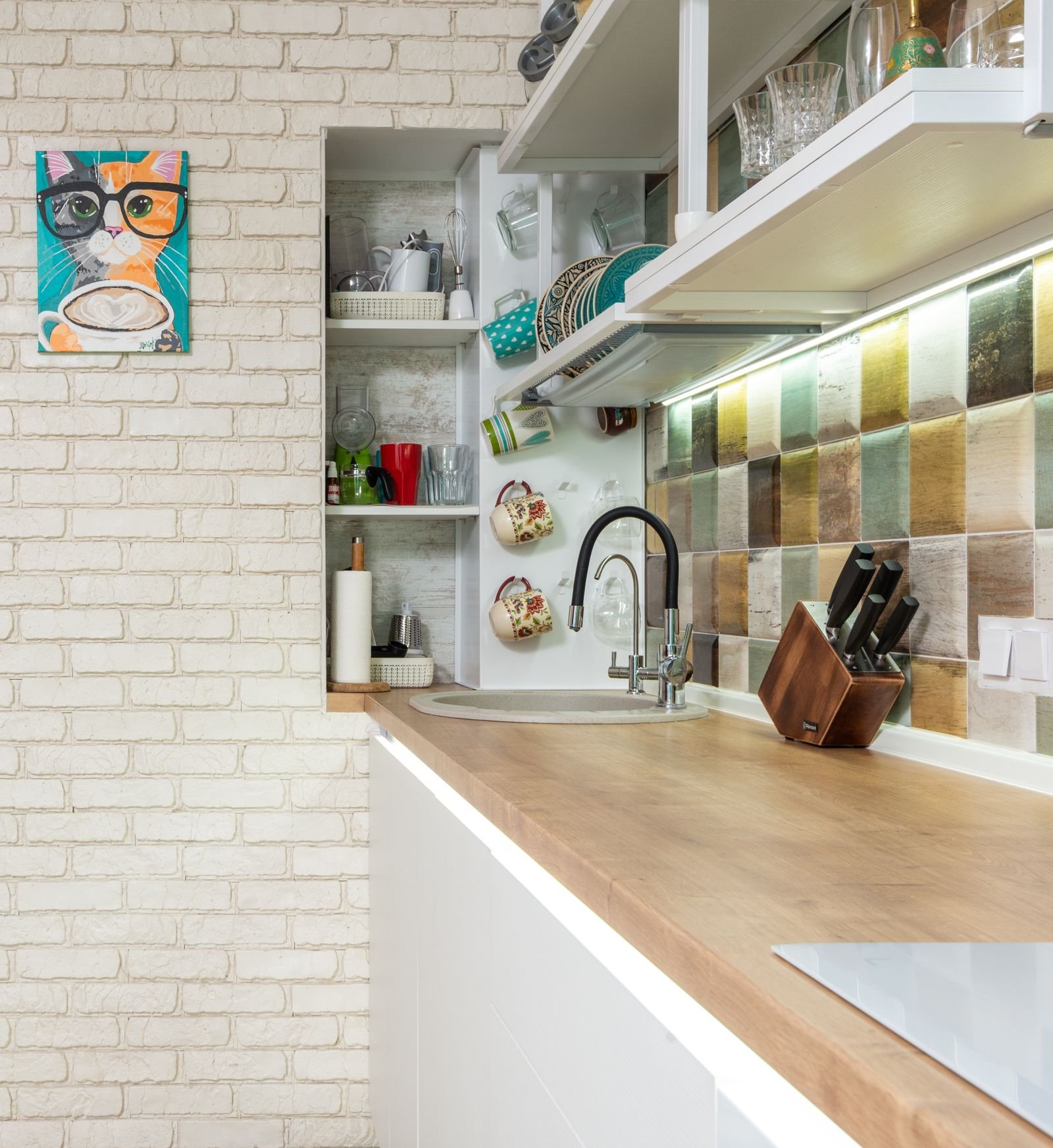
Oil Finish vs. Sealed Finish: Choose Your Lifestyle
This is the most important decision you’ll make with butcher block:
- Food-safe oil finish (mineral oil, tung oil blends): you can chop directly on it and it feels wonderful, but it needs the regular oiling schedule above and offers minimal stain protection.
- Sealed finish (polyurethane, hardwax oil): dramatically better stain and water resistance and far less maintenance — but you shouldn’t cut directly on it, and refinishing later means stripping the sealer first.
For most Tacoma families, a sealed finish around the sink and perimeter with an oiled end-grain chopping section (or a separate cutting board inset) is the practical compromise.
Best Wood Species for Tacoma Kitchens
- Hard maple: the classic — light, hard, affordable, takes oil beautifully. Shows stains more than darker woods.
- Walnut: rich, dark, and hides wear gracefully. Costs more but looks incredible with white cabinetry.
- White oak: hard, beautiful grain, very on-trend with 2026 design. Moderately priced.
- Cherry: darkens beautifully with age and light exposure — but that means uneven darkening if part stays covered.
- Avoid soft woods like pine for full countertops; they dent too easily for daily kitchen use.
Given the Pacific Northwest’s humidity swings, buy from a reputable fabricator whose wood is properly kiln-dried and acclimated — cheap big-box butcher block that hasn’t been stored correctly is more likely to warp.
Installation Tips That Prevent Regret
- Acclimate the wood in your home for at least 72 hours before installation.
- Seal all sides, including the underside and cutouts — moisture enters from everywhere, not just the top.
- Allow for movement. Wood expands and contracts; it must be fastened with slotted holes or clips that allow movement, never glued rigidly to cabinets.
- Plan the sink carefully. Undermount sinks with butcher block are risky because the exposed wood edge at the cutout sees constant water. A top-mount or farmhouse sink with the wood sealed thoroughly at the rim is safer — see our kitchen sink guide for the full comparison.
- Keep it away from the dishwasher’s steam vent or protect that section with a sealed finish.
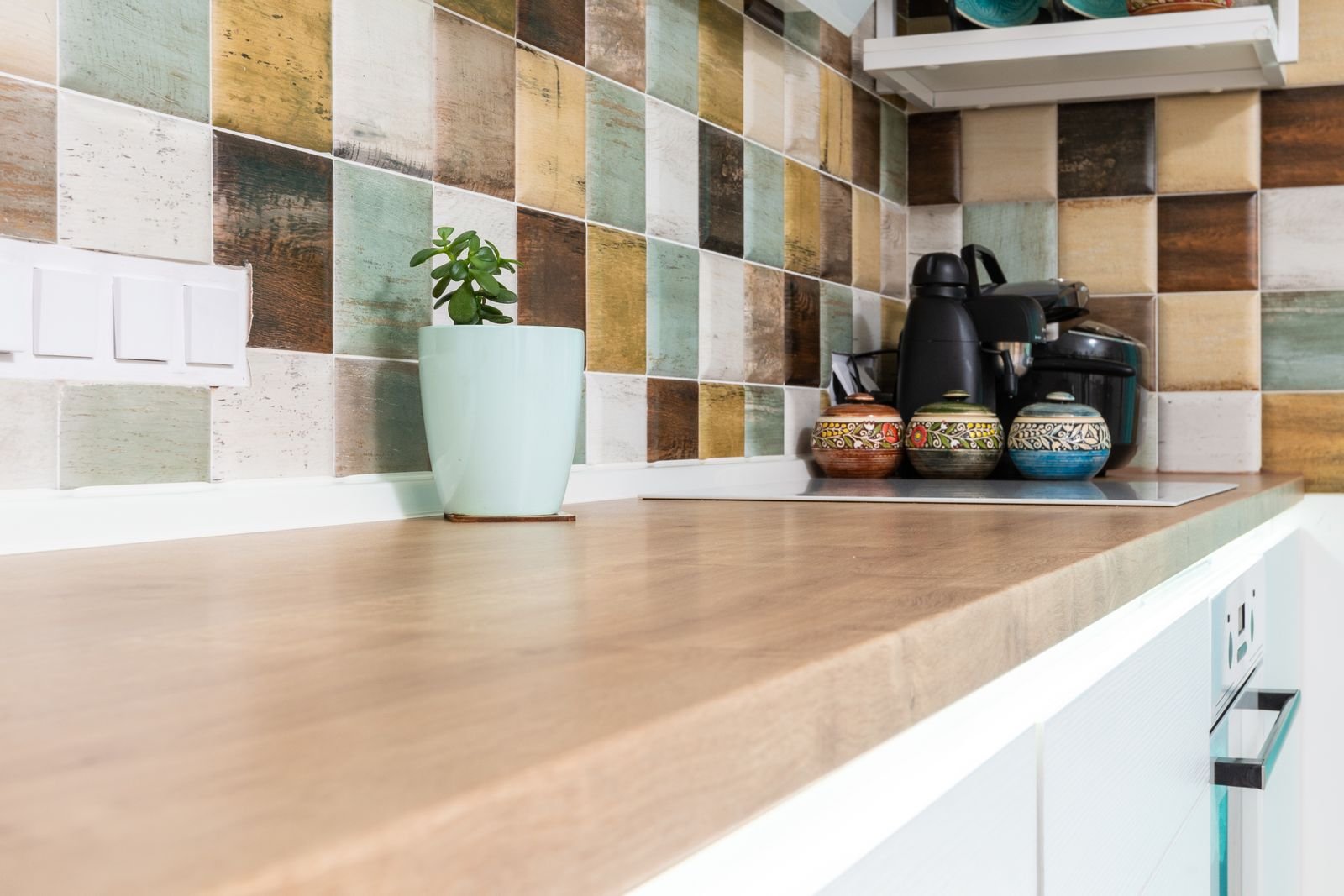
Daily and Long-Term Maintenance
Daily: wipe up water immediately, use trivets for hot pans, cut on a board (unless you have an oiled end-grain section meant for it). Monthly: clean with mild soap, let dry fully, apply food-safe mineral oil generously, wipe off the excess after a few hours. Keep a dedicated bottle of mineral oil under the sink so re-oiling feels like a two-minute habit rather than a project — with wood counters, consistency matters far more than quantity. Yearly: assess whether a light sanding and fresh oil — or a full refinish — is due. With this routine, a quality butcher block counter lasts 20+ years and looks better at year ten than year one.
What Does Butcher Block Cost in Tacoma?
- Stock edge-grain maple from a home center — the budget champion.
- Custom edge-grain walnut or white oak.
- End-grain custom: $55 and up+ per square foot installed.
Budget for professional initial sealing/oiling. Compared against quartz in Tacoma, butcher block’s price advantage is real — just budget the value of your ongoing maintenance time honestly.
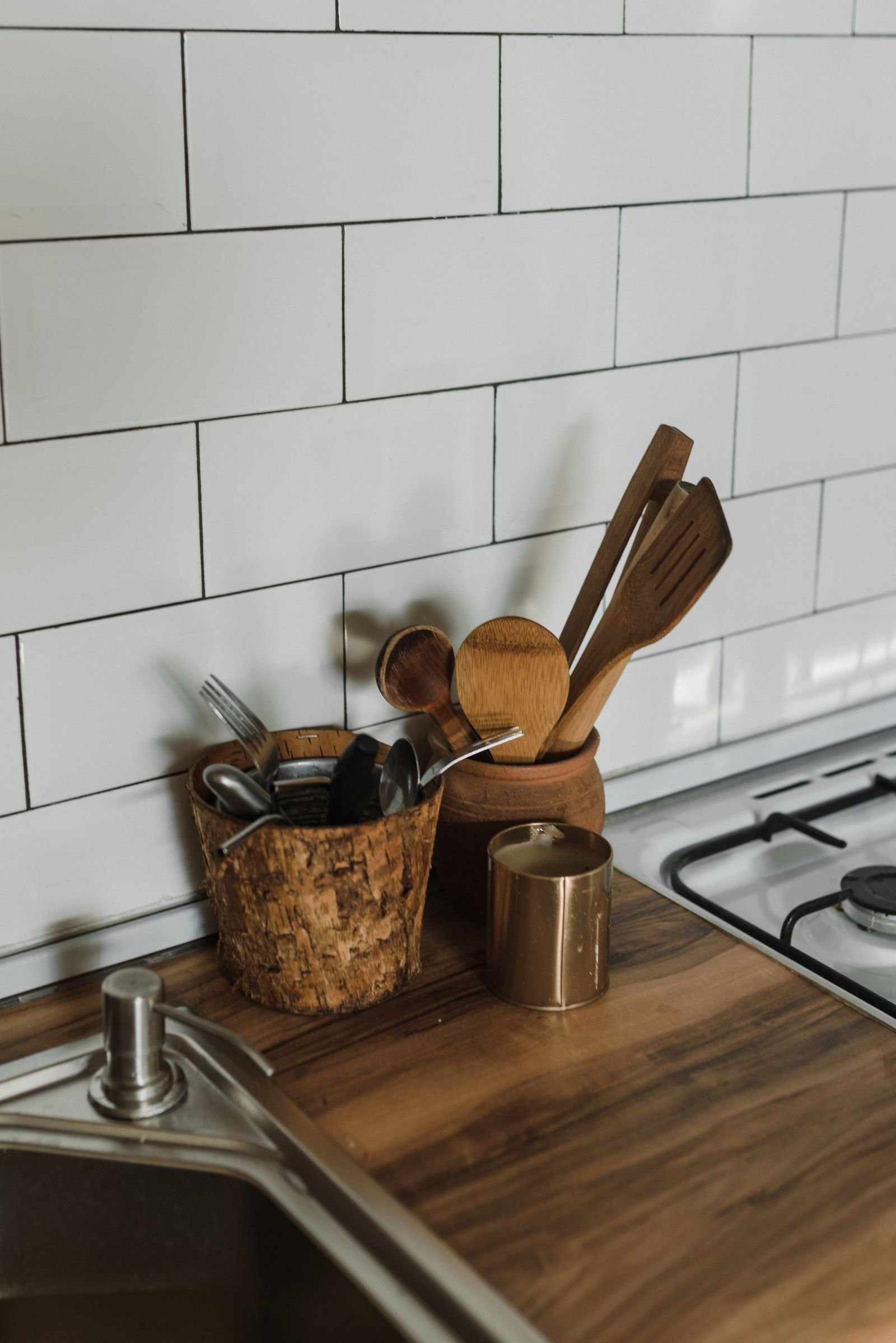
Where Butcher Block Works Best
Butcher block shines as an accent: a baking-station section, a kitchen island top (see our kitchen island ideas guide), a coffee bar, or a desk area. Full-perimeter butcher block works for committed owners who enjoy the ritual of oiling. A popular Tacoma compromise: durable quartz on the perimeter where the sink and range live, warm butcher block on the island where people gather.
Related Reading
- Kitchen Island Ideas: Size, Seating & Storage Guide
- Kitchen Backsplash Ideas: Materials, Patterns & 2026 Trends
- Cabinet Hardware & Finishes: Small Details, Big Impact
Key Takeaways
- Butcher block offers unmatched warmth and affordability — roughly half the cost of quartz — and can be sanded and renewed for decades.
- It demands real maintenance: regular oiling (for oil finishes), immediate wipe-ups, and protection from heat and standing water.
- Choose your finish by lifestyle: oil for chopping purists, sealed for busy families.
- Hard maple, walnut, and white oak are the best species bets; avoid soft woods for work surfaces.
- Consider butcher block as an island or accent rather than full-perimeter if you want the look without the full maintenance load.
Love the warmth of wood but want help getting the details right? Request a consultation from Kitchen Remodeler Tacoma. We’ll talk through species, finishes, and placement — and make sure your butcher block counters are installed to handle real Tacoma kitchen life.
4 Responses