
Kitchen Backsplash Ideas: Materials, Patterns & 2026 Trends
The backsplash is the hardest-working design element in your kitchen. It protects your walls from splatters and steam, it’s one of the first things guests notice, and — unlike cabinets or countertops — it’s relatively affordable to get exactly right. In Tacoma remodels, we’re seeing backsplashes carry more of the kitchen’s personality than ever. Here’s a tour of materials, patterns, trends, and costs to help you choose.
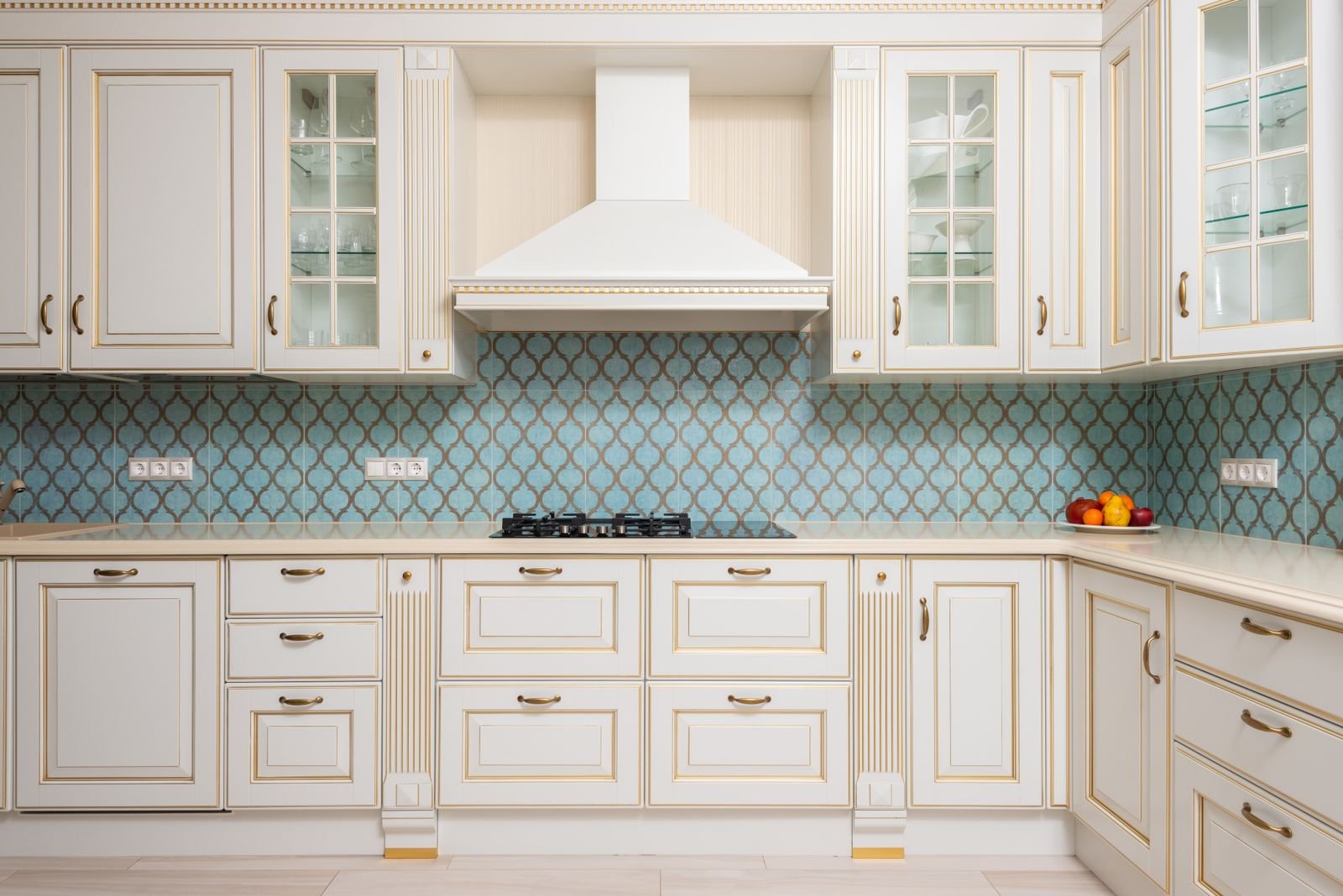
Why the Backsplash Matters More Than You Think
A backsplash sits at eye level across the most visible wall in your kitchen. It ties your countertop to your cabinets, and it’s where you can afford to be bold: a square footage this small means even premium handmade tile stays budget-friendly. Get it right and the whole kitchen looks intentional. Get it wrong — or skip it — and even expensive cabinets look unfinished.
Classic Subway Tile: Still the Safe Choice
The 3×6 subway tile in a running bond pattern remains Tacoma’s most-installed backsplash, and for good reason: it’s affordable, timeless, and works with every cabinet color. But “classic” doesn’t have to mean boring. In 2026, homeowners are refreshing subway tile with:
- Handmade-look finishes with slight color variation and uneven edges that catch light beautifully.
- Vertical stack patterns instead of horizontal running bond for a more modern feel.
- Contrasting grout — dark grout with white tile for definition, or matching grout for a seamless look.
- Oversized formats like 4×12 that reduce grout lines and feel more contemporary.
Zellige and Handmade-Look Tile: The 2026 Favorite
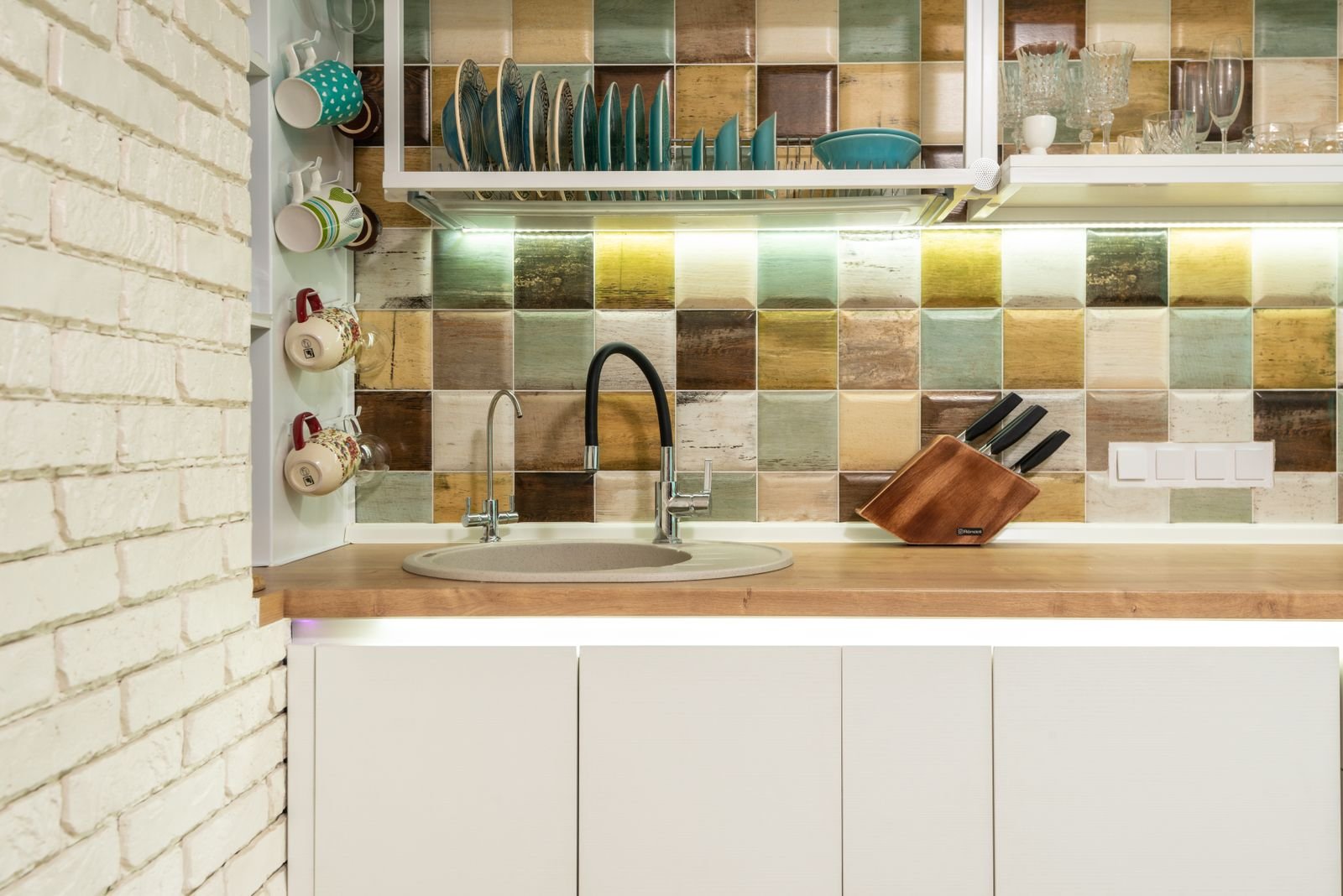
If one trend defines Tacoma backsplashes right now, it’s zellige-style tile — Moroccan-inspired handmade-look squares with a glossy, rippled surface. Each tile varies slightly in tone, creating a luminous, textured wall that looks stunning under both gray daylight and warm evening lighting. It pairs beautifully with both white kitchens and dark, moody cabinetry. The handmade look demands a skilled tile setter, so don’t economize on labor here.
Quartz and Stone Slab Backsplashes
Running your countertop material straight up the wall creates a seamless, luxurious look with zero grout lines to clean — a major selling point for busy households. A quartz slab backsplash behind the range makes a dramatic focal point, especially in bold veined patterns. Cost is the catch: you’re paying for full slabs plus precise fabrication. Best reserved for a feature area (behind the range) with simpler tile elsewhere.
Other Materials Worth Considering
- Glass tile and mosaics: reflective and great for bouncing light in darker Tacoma kitchens; mosaics work well for curved or tricky areas.
- Natural stone (marble, travertine): gorgeous but porous — seal it and accept some patina, especially behind the range.
- Stainless steel panels: a pro-kitchen look that’s nearly indestructible behind the range; best as an accent, not a full wall.
- Beadboard or shiplap: painted wood paneling suits Tacoma’s craftsman and cottage kitchens and costs less than tile, but keep it away from direct stove splatter or seal it thoroughly.
- Brick veneer: thin brick adds warmth and texture that complements historic North End homes; seal it against grease.
Patterns That Change the Whole Feel
The same tile in different layouts reads completely differently:
- Running bond (brick pattern): classic, forgiving of imperfect walls.
- Stacked vertical or horizontal: clean, modern, slightly more demanding to install well.
- Herringbone: dynamic and high-end; uses about 15% more tile due to cuts, and labor costs more.
- Basketweave and arabesque: traditional patterns that suit historic Tacoma homes.
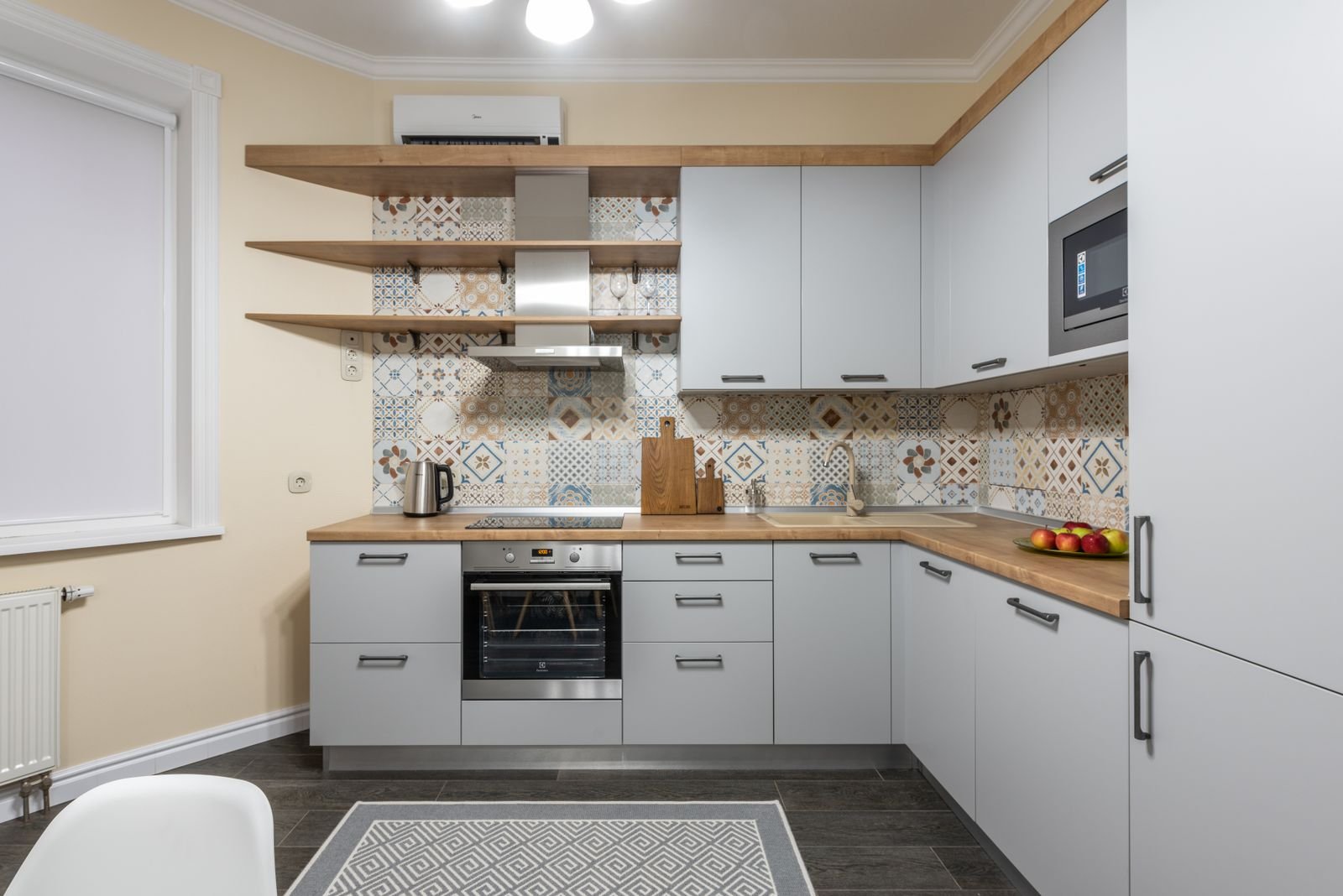
- Full-height feature wall: taking tile from counter to ceiling behind open shelves or the range — dramatic and very 2026.
Backsplash Ideas for Tacoma Home Styles
Tacoma’s architecture should influence your choice:
- Craftsman bungalows (North End, Proctor): handmade-look subway tile in earthy greens, creams, or warm grays honors the home’s character. Avoid ultra-modern large formats that fight the architecture.
- Mid-century ramblers (South Tacoma, Lakewood): stacked subway tile, starburst mosaics, or simple square tile in muted retro tones feel period-appropriate.
- Modern farmhouses and new builds: white shiplap-style paneling, classic white subway with dark grout, or a full quartz slab for drama.
- Condos and contemporary remodels: large-format porcelain panels with minimal grout lines, or a bold zellige accent wall behind open shelving.
Coordinating With Countertops and Cabinets
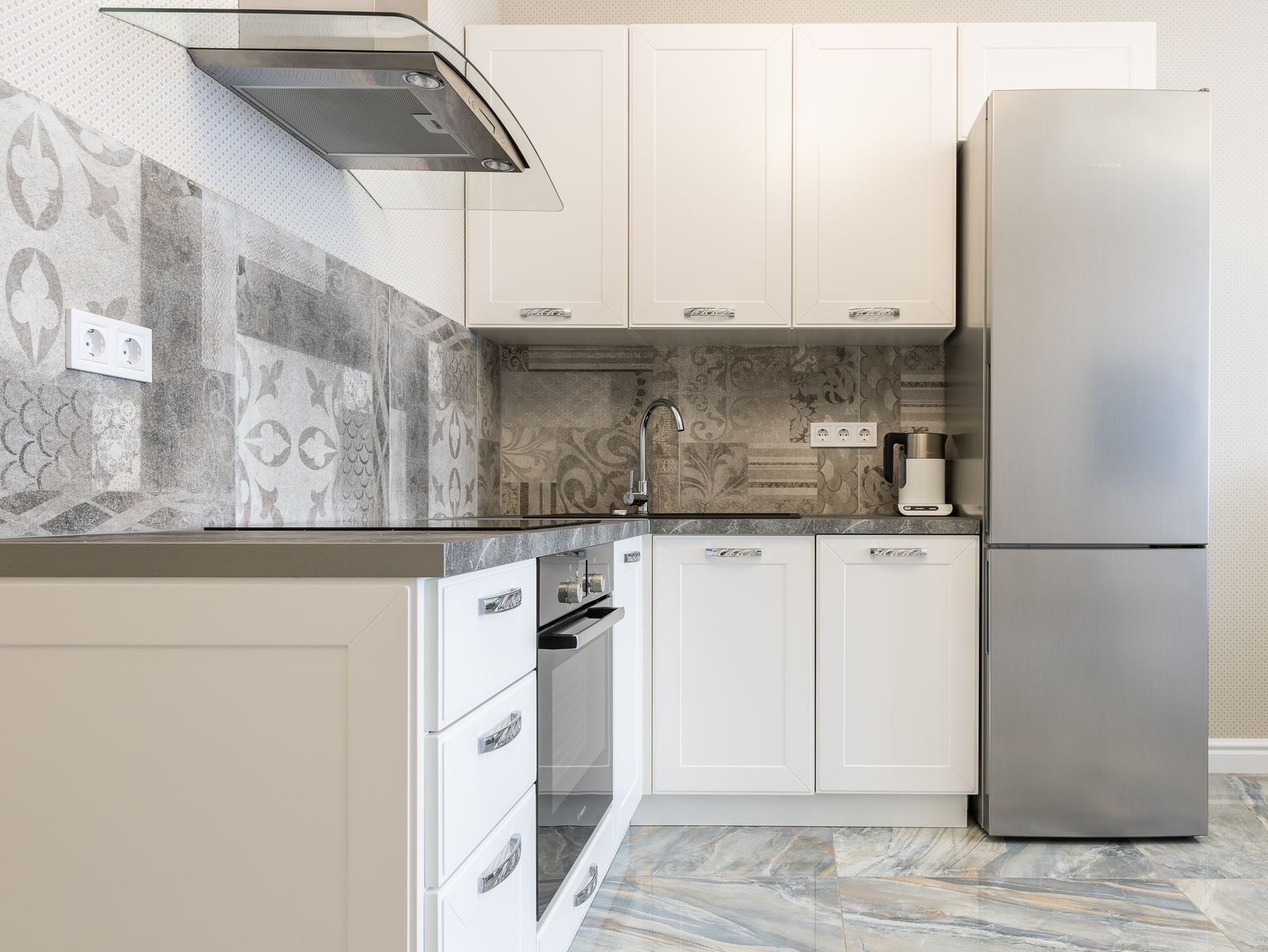
The golden rule: your backsplash should relate to either the countertop or the cabinets, not fight both. Busy granite or heavily veined quartz wants a quiet backsplash — simple subway or handmade tile in a pulled color from the stone. Quiet counters (white quartz, butcher block) give you freedom to go bold with pattern or color. If your cabinets are dark, a lighter backsplash keeps the kitchen from feeling heavy; with white cabinets, the backsplash is your chance to add the personality. Our guide to choosing the right countertop walks through pairing strategies in more detail.
Grout: The Detail Everyone Forgets
Grout color changes everything. Matching grout (white grout with white tile) creates a calm, seamless surface. Contrasting grout (charcoal with white tile) emphasizes the pattern and hides staining — practical behind a hardworking range. Epoxy grout costs more upfront but resists staining and moisture far better than cement grout, a worthwhile upgrade in a kitchen that sees daily cooking.
What Does a Backsplash Cost in Tacoma?
For a typical 30-square-foot backsplash area:
- Basic ceramic subway tile: typically costs the least per square foot installed.
- Handmade-look or zellige-style: costs more per square foot installed.
- Natural stone or marble: costs more still per square foot installed.
- Quartz slab feature: walls cost the most,+ depending on the stone.
Labor is a bigger share of backsplash cost than most homeowners expect — intricate patterns and handmade tiles take real skill, and rushing this step shows in every grout line. This is not the place to hire the cheapest bid.
Maintenance in the Real World
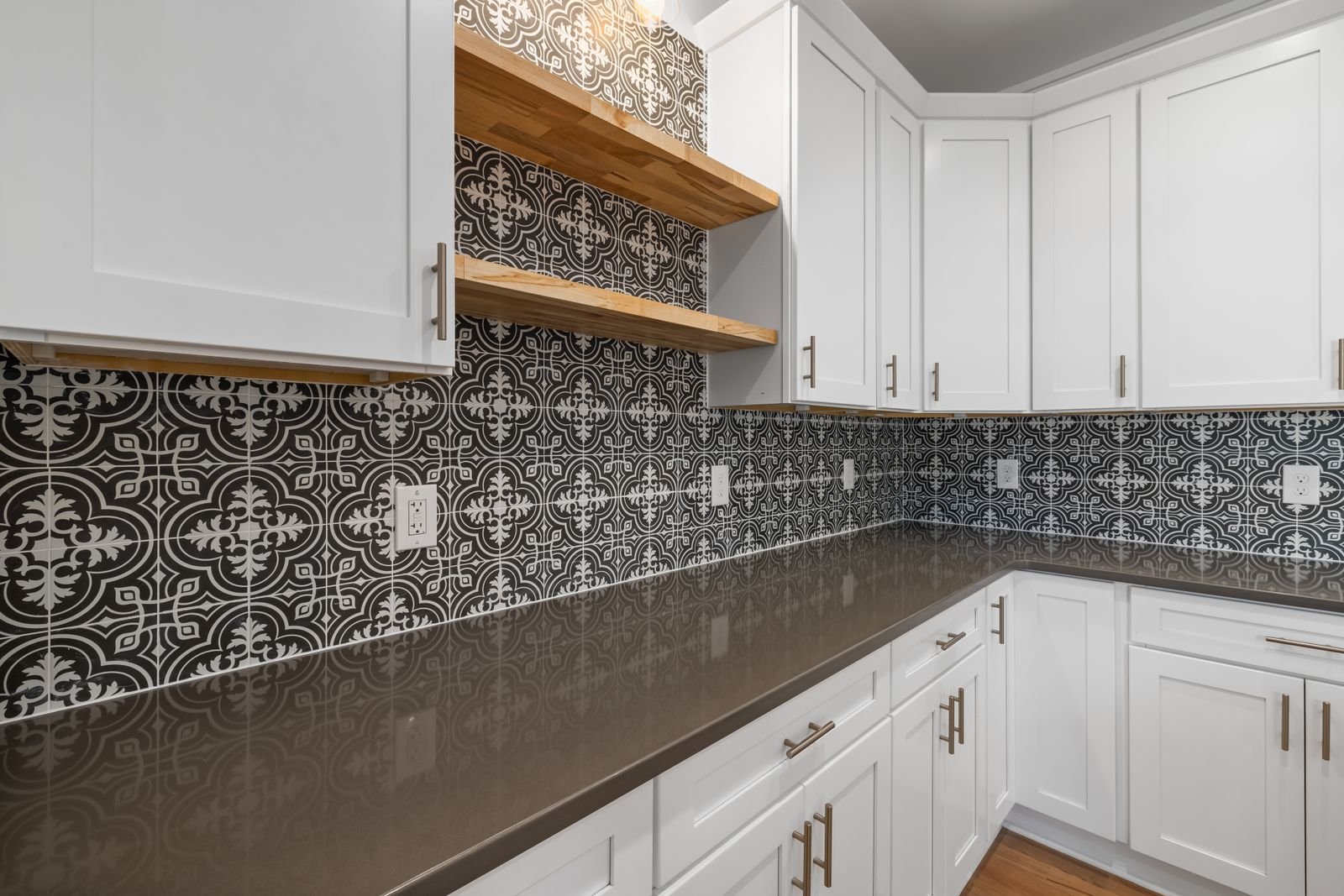
Tacoma’s hardworking kitchens need backsplashes that clean easily. Glossy and glass tiles wipe down fastest; textured handmade tiles need a bit more attention in the grout lines. Whatever you choose, seal natural stone on installation day and reseal annually. And run your range hood every time you cook — it protects your backsplash as much as your air quality. For households that do a lot of frying or wok cooking, a stainless steel panel just behind the range (paired with tile elsewhere) is the most practical combination of all: nearly indestructible where the mess happens, beautiful everywhere else.
Related Reading
- White vs Dark Kitchens: What Tacoma Homeowners Are Choosing in 2026
- Kitchen Island Ideas: Size, Seating & Storage Guide
- Butcher Block Countertops: Pros, Cons & Maintenance Guide
- Open-Concept Kitchens: Pros, Cons & Costs for Tacoma Homes
Key Takeaways
- The backsplash is your kitchen’s personality zone — small square footage means you can afford premium materials.
- Handmade-look and zellige-style tiles are the defining 2026 trend in Tacoma; subway tile remains the timeless safe choice.
- Match the backsplash’s energy to your counters: busy stone wants quiet tile, quiet counters invite bold patterns.
- Don’t skimp on labor — intricate patterns and handmade tiles need skilled setters.
- Epoxy grout and a good range hood keep any backsplash looking new longer.
Ready to pick a backsplash that pulls your whole kitchen together? Request a consultation from Kitchen Remodeler Tacoma. Bring your cabinet and countertop ideas — or just your Pinterest board — and we’ll help you choose a backsplash that fits your style and your budget.
5 Responses